
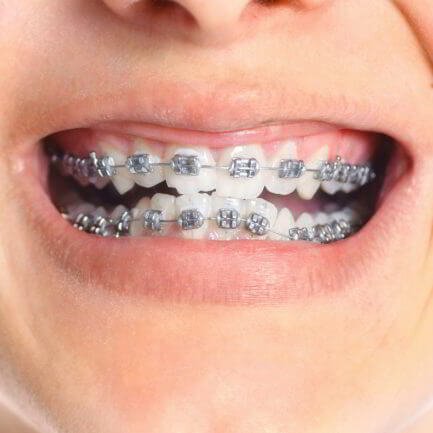
Smile arc positioning is an integral concept in modern orthodontics and cosmetic dentistry, essential for achieving both functional and aesthetic harmony in a patient’s smile. It refers to the alignment of the teeth along the curve of the lower lip, creating a pleasing and balanced smile. Understanding smile arc positioning is crucial for patients seeking to enhance their smiles and for dental professionals aiming to provide comprehensive care.
What is Smile Arc Positioning?
The smile arc is the curve formed by the alignment of the upper front teeth as they follow the contour of the lower lip when a person smiles. Ideally, the edges of the upper front teeth should align with or follow the curve of the lower lip, creating a natural, harmonious appearance. This alignment is not just about aesthetics but also plays a role in functional outcomes, such as bite alignment and overall oral health.
Importance in Aesthetic Dentistry
In aesthetic dentistry, smile arc positioning is pivotal for creating a balanced and attractive smile. A wellaligned smile arc contributes to facial symmetry and harmony, which are key components of an aesthetically pleasing smile. When the upper teeth follow the curve of the lower lip, the smile appears more natural and cohesive. Discrepancies in smile arc positioning can result in a smile that feels or looks off-balance, potentially impacting a person’s confidence and self-esteem.
The Role of Smile Arc in Orthodontics
Orthodontists consider smile arc positioning when planning and executing orthodontic treatments. Achieving the correct smile arc involves not only aligning the teeth but also ensuring that the teeth follow the natural curve of the lip. This alignment can be influenced by factors such as tooth position, arch shape, and the overall alignment of the bite.
During orthodontic treatment, adjustments are made to guide the teeth into the ideal position relative to the smile arc. Techniques such as bracket placement, archwire adjustments, and the use of clear aligners are all employed to ensure that the final outcome aligns with the desired smile arc. Proper smile arc positioning enhances both the functional aspects of the bite and the visual appeal of the smile.
Functional Considerations
Smile arc positioning is not solely about aesthetics; it also affects oral function. An improper smile arc can lead to functional issues such as uneven tooth wear, bite problems, and difficulties with chewing and speaking. For example, if the teeth are not properly aligned with the smile arc, it can result in an uneven bite or excessive stress on certain teeth, potentially leading to discomfort or oral health issues.
Customized Treatment Planning
Achieving optimal smile arc positioning requires a personalized approach. Each individual has a unique smile arc based on their facial structure and dental anatomy. A skilled orthodontist or cosmetic dentist will assess these factors to create a customized treatment plan. This may involve using digital imaging and simulations to predict how adjustments will impact the smile arc and overall appearance.
Technological Advancements
Advancements in technology have significantly improved the ability to achieve precise smile arc positioning. Digital tools such as 3D imaging, computer-aided design (CAD), and virtual treatment planning allow dental professionals to visualize and plan the ideal smile arc with greater accuracy. These technologies facilitate more predictable outcomes and enhance the overall treatment experience for patients.
Conclusion
Smile arc positioning is a crucial element in achieving both aesthetic and functional excellence in dental treatment. By aligning the upper teeth with the curve of the lower lip, dental professionals create a balanced, natural-looking smile that enhances facial harmony and oral function. Whether through orthodontic adjustments or cosmetic enhancements, the goal is to achieve an ideal smile arc that meets the patient’s aesthetic desires while ensuring optimal oral health. Advances in technology and personalized treatment planning continue to refine the approach to smile arc positioning, leading to improved outcomes and greater patient satisfaction.