
Temporomandibular Disorder (TMD) refers to a group of conditions affecting the temporomandibular joint (TMJ), which connects the jawbone to the skull. This joint plays a vital role in everyday functions such as chewing, speaking, and yawning. TMD can cause pain, discomfort, and dysfunction in the jaw, face, neck, and even shoulders. Given the complexity and potential impact of the condition, a common question arises: Can orthodontic treatment correct TMD? The answer depends on the cause and severity of the disorder, but in many cases, orthodontics can play a supportive role in managing or alleviating TMD symptoms.
Orthodontic treatment is primarily focused on correcting malocclusions (bad bites), teeth alignment, and jaw positioning. Many TMD cases are associated with issues like misaligned teeth or an improper bite, which can place excessive stress on the jaw joint. In such instances, orthodontic interventions such as braces, clear aligners, or other appliances may help redistribute bite forces more evenly, reduce joint strain, and improve jaw function. By correcting these underlying bite problems, orthodontic treatment may alleviate TMD symptoms such as jaw pain, clicking, or difficulty opening the mouth.
However, it is important to note that not all cases of TMD are caused by orthodontic issues. TMD can be the result of trauma, arthritis, stress-related teeth grinding (bruxism), or even muscle dysfunction. In these cases, orthodontic treatment alone may not provide a solution and might need to be part of a more comprehensive treatment plan. Non-orthodontic approaches such as physical therapy, stress management, anti-inflammatory medications, night guards, or even surgery might be more appropriate depending on the diagnosis.
There is some debate in the dental and medical communities about the extent to which orthodontic treatment can directly “correct” TMD. While some studies suggest a connection between bite problems and TMD, others indicate that changes in bite do not always result in symptom improvement. Therefore, a thorough diagnostic process is essential. Dentists and orthodontists typically use imaging, physical examination, and patient history to determine the source of TMD symptoms before recommending treatment.
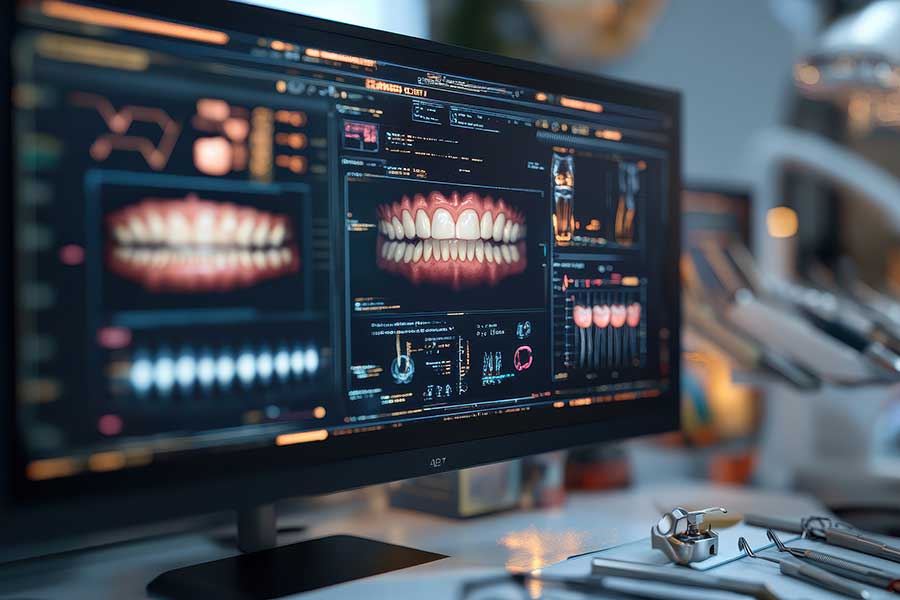
One of the benefits of modern orthodontics is the availability of less invasive and more customized treatment options. Techniques such as digital bite analysis and 3D imaging allow for precise diagnosis and tailored treatment planning. In cases where TMD is partially linked to bite issues, these technologies enhance the likelihood of successful outcomes through orthodontic care.
In conclusion, while orthodontic treatment is not a guaranteed cure for TMD, it can be an effective component of treatment for certain individuals—especially when bite misalignment contributes to the disorder. Collaboration between orthodontists, general dentists, and specialists such as oral surgeons or physical therapists often yields the best results. Patients suffering from TMD should seek a comprehensive evaluation to determine the root cause of their symptoms and explore whether orthodontic treatment might be an appropriate and beneficial option.