
Invisalign and metal braces are both orthodontic treatments designed to straighten teeth, but they differ significantly in their design, application, and overall patient experience. Here’s a detailed comparison:
Appearance
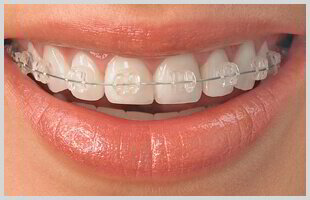
One of the most noticeable differences between Invisalign and metal braces is their appearance. Metal braces consist of stainless steel brackets and wires affixed to the front of the teeth, making them highly visible. In contrast, Invisalign uses clear, custom-made aligners that fit over the teeth, rendering them nearly invisible. This aesthetic advantage makes Invisalign particularly popular among adults and teens who are self-conscious about their appearance during treatment.
Comfort
Comfort is another key differentiator. Metal braces can cause discomfort due to the brackets and wires, which may irritate the inside of the mouth and cause sores. Adjustments made during regular orthodontic visits can also be uncomfortable. Invisalign aligners, on the other hand, are made of smooth plastic and are less likely to cause irritation. However, switching to a new set of aligners every two weeks can still cause mild discomfort as the teeth adjust to the new pressure.
Treatment Process
The treatment processes for Invisalign and metal braces are quite different. Metal braces are bonded to the teeth and adjusted periodically by an orthodontist to guide teeth into the desired position. This process usually requires visits every 4-6 weeks. Invisalign treatment involves a series of custom-made aligners that are changed approximately every two weeks. Each set of aligners gradually shifts the teeth until the final position is achieved. Patients typically have check-ups every 6-8 weeks to monitor progress.
Effectiveness
Both treatments are effective for straightening teeth, but their suitability varies based on the complexity of the case. Metal braces are highly effective for a wide range of dental issues, including severe misalignment, large gaps, and bite problems. Invisalign is generally best suited for mild to moderate orthodontic issues. Recent advancements have expanded the range of conditions Invisalign can treat, but some complex cases may still require traditional braces.
Lifestyle Impact
Invisalign offers greater flexibility in daily life. The aligners are removable, allowing patients to eat, drink, brush, and floss without the restrictions imposed by metal braces. This can make maintaining oral hygiene easier and reduces the risk of food getting stuck in the braces. However, patients must wear the aligners for 20-22 hours a day to achieve optimal results, which requires discipline and commitment. Metal braces, being fixed, eliminate the possibility of forgetting to wear them, but they do require careful attention to oral hygiene and dietary choices to avoid damage and staining
Duration of Treatment
The duration of treatment can vary widely depending on the individual’s dental issues and how well they adhere to the treatment plan. On average, metal braces are worn for about 18-24 months, though complex cases can take longer. Invisalign treatment typically lasts about 12-18 months, but this can vary based on the severity of the misalignment and patient compliance.
Cost
Cost is an important consideration for many patients. Traditionally, metal braces are less expensive than Invisalign, though the exact cost can depend on the complexity of the treatment and the geographical location. Invisalign can be more expensive due to the technology and customization involved in creating the aligners. However, costs for both treatments have become more comparable in recent years, and many dental insurance plans now offer coverage for both options. In our office Invisalign is only $100 more making it a wonderful alternative to braces.
Follow-Up and Retention
After the active treatment phase with either Invisalign or metal braces, a retention phase is necessary to maintain the new position of the teeth. This typically involves wearing a retainer, either fixed or removable, to prevent the teeth from shifting back to their original positions. The type of retainer and the duration for which it needs to be worn will be determined by the orthodontist based on the individual case.
Conclusion
In summary, both Invisalign and metal braces are effective orthodontic treatments, but they cater to different needs and preferences. Invisalign offers a nearly invisible, comfortable, and flexible option for those with mild to moderate orthodontic issues, while metal braces provide a robust solution for more complex dental problems. The choice between the two will depend on the specific dental issues, lifestyle considerations, aesthetic preferences, and budget. Consulting with an orthodontist can help determine the best treatment option for each individual.