
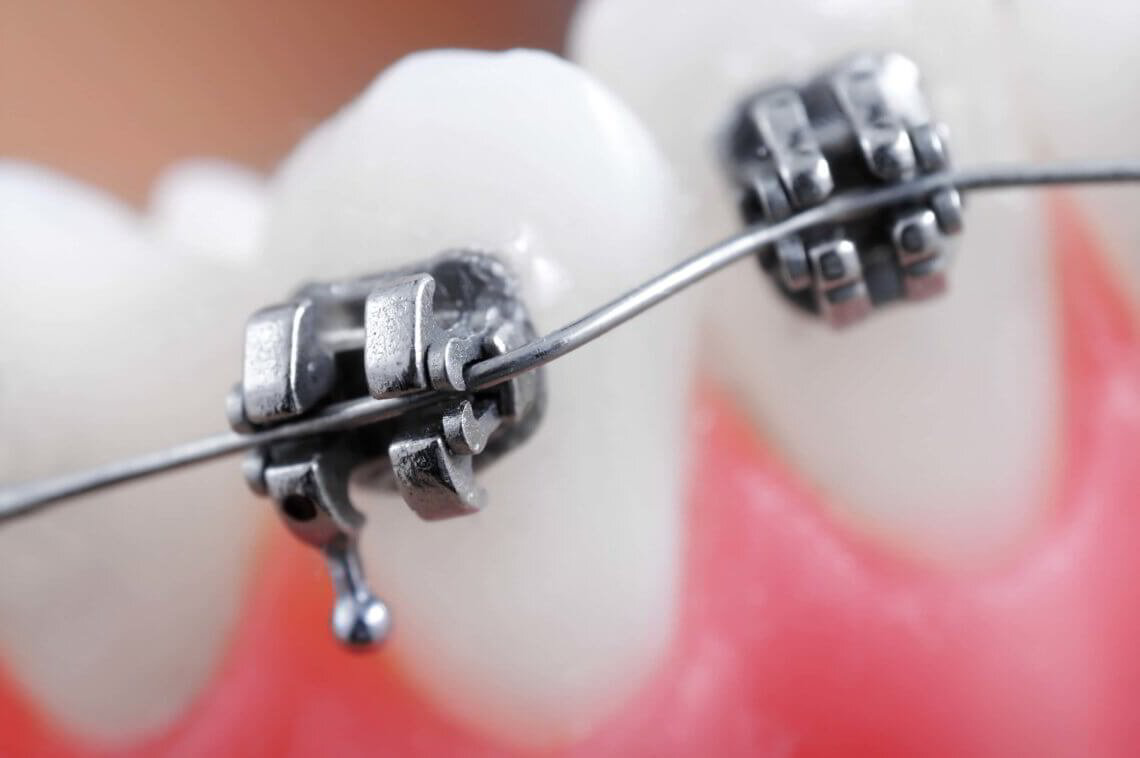
Brushing your teeth when you have braces requires special care and attention to ensure that both your teeth and orthodontic appliances are properly cleaned. The presence of braces can make it more challenging to reach all areas of your teeth, which can lead to plaque buildup, tooth decay, and gum disease if not addressed properly. Here’s a comprehensive guide on the correct way to brush your teeth with braces.
1. Choose the Right Toothbrush
Using the right toothbrush is crucial when you have braces. A soft-bristled toothbrush or an electric toothbrush with a small head is ideal. The soft bristles are gentle on your gums and braces, reducing the risk of damaging the wires and brackets. Some people find that using an orthodontic toothbrush, which has a V-shaped bristle pattern, helps in cleaning around the braces more effectively.
2. Use Fluoride Toothpaste
Fluoride toothpaste is essential as it helps to strengthen tooth enamel and prevent cavities. Ensure that you use a toothpaste with fluoride and brush thoroughly to allow the fluoride to reach all surfaces of your teeth.
3. Rinse Before Brushing
Before you start brushing, rinse your mouth with water or a fluoride mouthwash. This helps to loosen food particles that may be stuck in your braces, making it easier to brush them away. It also helps to start with a cleaner surface.
4. Brush at the Right Angle
When brushing with braces, it’s important to hold your toothbrush at a 45-degree angle towards your gumline. This angle allows you to effectively clean both the teeth and the gumline, where plaque tends to accumulate. Gently brush along the gumline, then brush the top of the brackets and finally the bottom of the brackets. Spend about 10 seconds on each tooth, making sure to clean all surfaces thoroughly.
5. Brush All Surfaces
Ensure that you brush the outer surfaces, inner surfaces, and the chewing surfaces of your teeth. With braces, it’s easy to focus only on the outer surfaces, but the inner surfaces and chewing surfaces are just as important. Take your time to brush each tooth thoroughly.
6. Clean Around Braces and Wires
Carefully brush around the brackets and wires. You may find it helpful to use an interdental brush or proxy brush to clean between the wires and your teeth. These small, cone-shaped brushes can reach areas that your regular toothbrush might miss, helping to remove any food particles and plaque.
7. Don’t Forget the Gumline
While brushing, be sure to pay extra attention to your gumline. Braces can sometimes cause irritation to your gums, so it’s important to keep them clean and healthy. Brush gently but thoroughly along the gumline to prevent gum disease.
8. Take Your Time
Brushing your teeth with braces should take at least two minutes, but you may need a bit longer to ensure all areas are cleaned. Don’t rush through the process. Taking the time to brush properly will pay off in the long run with healthier teeth and gums.
9. Floss Daily
Flossing is essential, even with braces. Use a floss threader or special orthodontic floss to get between your teeth and under the wires. This step helps to remove plaque and food particles from areas that your toothbrush can’t reach.
10. Finish with a Mouthwash
After brushing and flossing, rinse your mouth with a fluoride mouthwash. This helps to kill bacteria, reduce plaque, and strengthen your teeth.
11. Regular Dental Visits
Finally, keep up with your regular dental visits. Your dentist and orthodontist will monitor your oral health and make sure your teeth and gums stay in good condition while you have braces.
Conclusion
Brushing your teeth with braces requires diligence and a bit of extra time, but it’s crucial for maintaining good oral health. By using the right tools and techniques, you can keep your teeth clean and healthy throughout your orthodontic treatment. Proper brushing will ensure that when your braces are removed, you’ll have a beautiful, healthy smile.