
Orthodontic treatment has evolved significantly over the years, especially in palatal expansion. Traditionally, Rapid Palatal Expanders (RPEs) have been the go-to solution for addressing narrow upper jaws, particularly in children and preteens. However, the emergence of the Invisalign Palatal Expander—a recent innovation by Align Technology—offers a modern, more comfortable alternative. Although both aim to achieve the same outcome of expanding the upper jaw to improve bite alignment and create space for erupting teeth, they differ greatly in terms of design, comfort, treatment experience, and technology.
Design and Mechanism
The most noticeable difference between the two lies in their design and how they function. Rapid Palatal Expanders are fixed metal devices attached to the upper molars with bands or brackets. They use a central screw mechanism that must be turned manually, usually by a parent or guardian, to gradually widen the jaw over time. The process is often invasive and can feel cumbersome, especially for younger children.
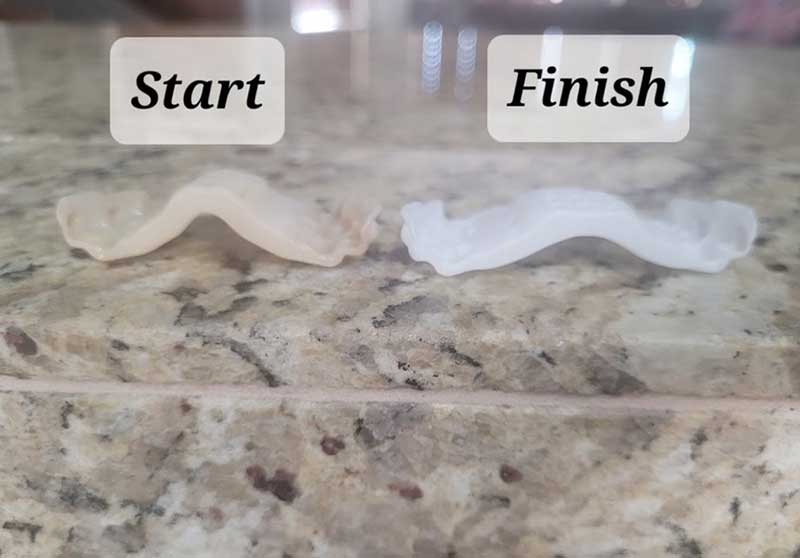
In contrast, the Invisalign Palatal Expander is a removable, clear, 3D-printed device that utilizes digital scans and precise treatment planning. Instead of manual adjustments, the device works in stages, using gentle, pre-programmed pressure to expand the jaw over time. This approach eliminates the need for turning screws and frequent in-office visits for adjustments, making it a far more modern and user-friendly solution.
Comfort and Aesthetics
Comfort is a major point of divergence. RPEs, being metal-based and fixed in place, can cause discomfort, pressure, and even temporary speech issues. They often irritate the tongue and cheeks, and their visibility can affect a child’s confidence during social interactions.
Invisalign Palatal Expanders, on the other hand, are smooth and virtually invisible. Their removable nature allows for breaks during eating and brushing, reducing irritation and allowing better oral hygiene. The clear material is more aesthetically pleasing, which is especially important for image-conscious children and their parents.
Oral Hygiene and Maintenance
Oral hygiene can be a challenge with RPEs, as food can become trapped around the metal components, increasing the risk of plaque buildup and tooth decay. Brushing and flossing around the appliance is difficult and time-consuming.
With the Invisalign Palatal Expander, hygiene is significantly easier. The appliance can be removed during meals and for cleaning, enabling children to brush and floss as they normally would. This results in better overall dental health during treatment.
Clinical Effectiveness and Flexibility
Both types of expanders are effective, but the Invisalign system offers more flexibility. Its digital planning allows orthodontists to fine-tune the treatment process and monitor progress remotely in some cases. Although RPEs have a long track record of success, they lack the technological adaptability that Invisalign provides.
Conclusion
While both Rapid Palatal Expanders and Invisalign Palatal Expanders serve the same clinical purpose, the Invisalign option represents a clear evolution in orthodontic care. Its comfort, aesthetics, ease of use, and integration with digital planning make it an appealing choice for modern families. As more orthodontists adopt this technology, the Invisalign Palatal Expander may well become the new standard in early orthodontic intervention.