
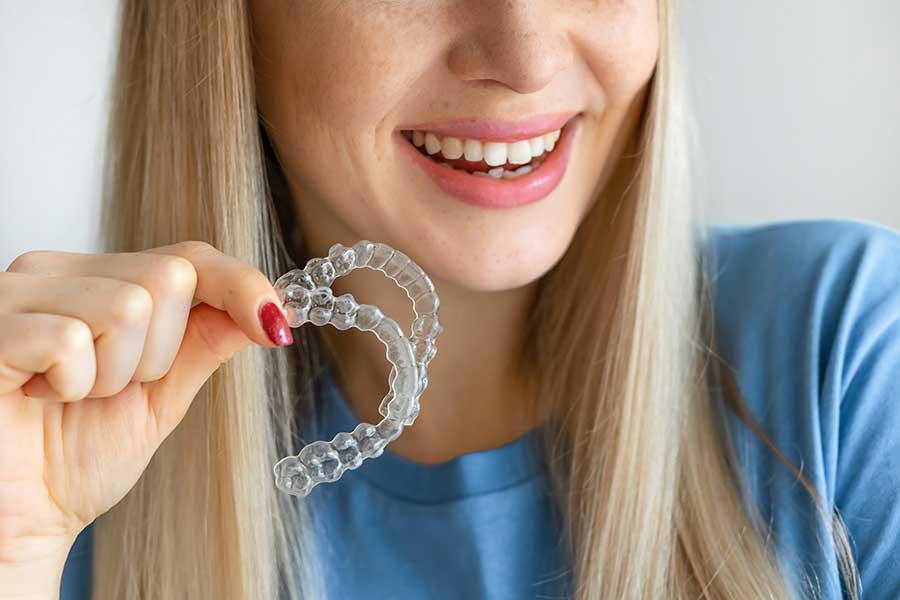
Orthodontic treatment provides a wide range of dental benefits that go far beyond simply achieving a straighter smile. While improved aesthetics are often the most noticeable outcome, the real value of orthodontics lies in its ability to promote long-term dental health. By correcting misaligned teeth and jaws, orthodontic treatment helps prevent common dental problems such as tooth decay, gum disease, enamel erosion, and uneven tooth wear. It also supports more effective oral hygiene practices and contributes to the overall integrity of the dental structure.
One of the most important dental benefits of orthodontic treatment is the reduction of tooth decay and gum disease risk. When teeth are crooked, crowded, or spaced irregularly, they can create hard-to-reach areas where plaque and food particles accumulate. These areas are often difficult to clean properly, even with diligent brushing and flossing. Over time, this can lead to a buildup of plaque and tartar, which are the primary causes of cavities and periodontal (gum) disease. By aligning the teeth correctly, orthodontic treatment eliminates these problematic spaces, making it easier to maintain a clean and healthy mouth.
Orthodontics also helps in preventing abnormal tooth wear. Misaligned teeth can result in an uneven bite, causing certain teeth to bear more pressure than others during chewing. This imbalance can lead to premature wear of the enamel—the protective outer layer of the teeth. Excessive wear can cause sensitivity, chipping, and even cracks, which may require restorative dental procedures. With orthodontic correction, the bite is balanced and chewing forces are distributed evenly, reducing the risk of damage to individual teeth.
Another significant dental benefit is improved support for restorative and cosmetic dental work. For patients who require crowns, bridges, implants, or veneers, having properly aligned teeth and jaws provides a stable foundation for these treatments. Orthodontic treatment can prepare the mouth by creating the necessary space or aligning the bite to ensure long-term success of restorative procedures. This is especially important in adult patients who may need comprehensive dental rehabilitation.
Orthodontic treatment also supports the longevity of natural teeth. Teeth that are poorly aligned may shift over time, loosening their support structures and increasing the risk of tooth loss. Correct alignment helps maintain proper spacing and contact between teeth, which protects the bone and gum tissue that hold teeth in place. This stabilization promotes better oral function and helps preserve the natural dentition for as long as possible.
Furthermore, orthodontics can help address and prevent dental trauma. Protruding front teeth, especially in children, are more susceptible to injury during sports or accidents. By correcting these issues early through orthodontic treatment, the risk of traumatic damage can be significantly reduced.
In conclusion, orthodontic treatment offers a variety of dental benefits that contribute to a healthier, more functional, and longer-lasting smile. From reducing the risk of decay and gum disease to preserving tooth structure and supporting other dental work, orthodontics is a key part of comprehensive oral healthcare. Investing in orthodontic care is not just about appearance—it’s about ensuring a strong, healthy foundation for a lifetime of dental wellness.