
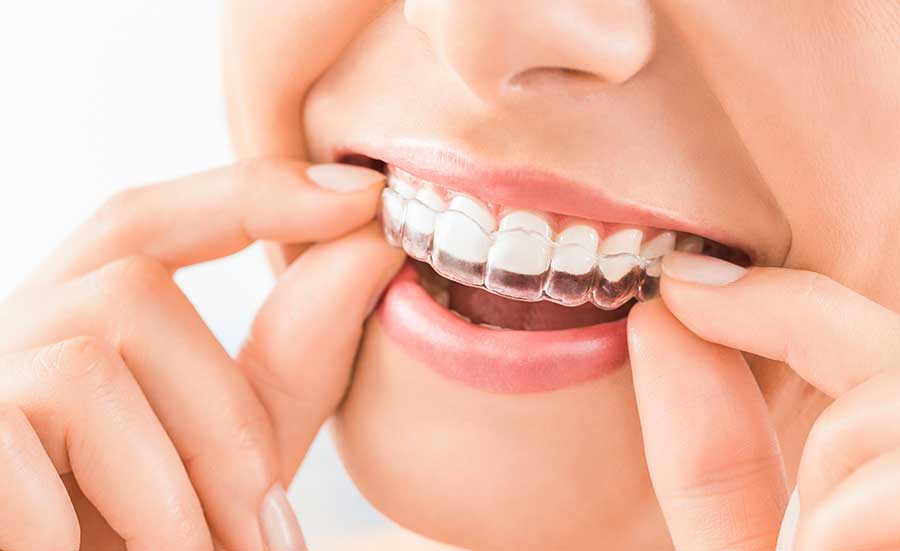
Invisalign has revolutionized orthodontic care by offering a modern, discreet, and highly effective alternative to traditional metal braces. While many people associate Invisalign with cosmetic improvements, its functional benefits are equally important. Invisalign clear aligners do more than straighten teeth—they improve bite alignment, support oral hygiene, enhance speech clarity, and promote overall oral function and health.
One of the primary functional benefits of Invisalign is its ability to correct bite issues. Malocclusions such as overbites, underbites, crossbites, and open bites can lead to difficulties in chewing, jaw pain, and abnormal tooth wear. Invisalign uses a series of custom-made, clear aligners to gradually reposition the teeth and jaws into optimal alignment. By correcting these bite issues, Invisalign helps restore a more efficient and comfortable bite, reducing strain on the jaw joints and muscles. This can prevent or alleviate conditions such as temporomandibular joint (TMJ) dysfunction and chronic jaw pain.
Another key benefit of Invisalign is its positive impact on oral hygiene. Traditional braces can make brushing and flossing more challenging due to brackets and wires that trap food and plaque. In contrast, Invisalign aligners are removable, allowing patients to maintain their normal oral hygiene routine with ease. Being able to brush and floss thoroughly lowers the risk of tooth decay and gum disease during treatment. This feature is especially important for long-term dental health and is one reason many adults and teens prefer Invisalign over fixed orthodontic appliances.
Invisalign also contributes to improved speech and articulation. Misaligned teeth can affect the way the tongue moves within the mouth, potentially causing speech impediments such as lisps or difficulty pronouncing certain sounds. By aligning the teeth and jaws, Invisalign can help eliminate these speech problems and improve clarity and confidence in communication. Although some patients experience a brief adjustment period when they first begin wearing aligners, most adapt quickly and experience overall improvements in speech over the course of treatment.
Additionally, Invisalign helps reduce abnormal wear and tear on the teeth. When teeth are not aligned properly, certain teeth may take on more pressure than others during chewing. This can lead to excessive enamel wear, chipping, or even cracking. By ensuring an even bite, Invisalign helps distribute bite forces more evenly across all teeth, protecting them from unnecessary damage and extending their functional life.
Comfort and flexibility are also notable functional advantages. Invisalign aligners are made from smooth, BPA-free plastic and are custom-fitted to each patient’s mouth, reducing the risk of irritation to the cheeks and gums—an issue common with metal braces. Patients can also remove their aligners when eating, which means there are no dietary restrictions. This promotes better nutrition and overall health during orthodontic treatment.
In conclusion, Invisalign offers a wide range of functional benefits that go beyond aesthetics. By improving bite alignment, supporting better oral hygiene, enhancing speech, and protecting the teeth from wear and damage, Invisalign plays a crucial role in promoting long-term oral health and comfort. It combines modern technology with personalized care to deliver both effective results and everyday convenience.