
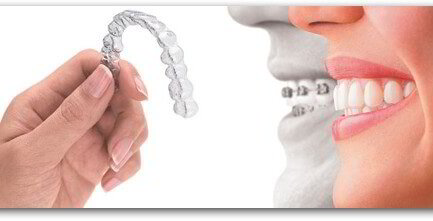
Orthodontic treatment, commonly associated with the alignment of teeth and enhancement of smiles, offers numerous functional benefits that go beyond aesthetics. While straight teeth undoubtedly improve appearance, the primary objective of orthodontics is to correct structural and functional issues of the oral and maxillofacial region. These corrections can lead to better oral health, improved chewing efficiency, clearer speech, and long-term protection of teeth and gums.
One of the most significant functional benefits of orthodontic treatment is improved bite alignment. Malocclusions—such as overbite, underbite, crossbite, and open bite—can hinder proper chewing and place undue stress on certain teeth. When teeth do not fit together correctly, it can cause premature tooth wear, enamel erosion, and even temporomandibular joint (TMJ) disorders. Orthodontic appliances, such as braces or clear aligners, help reposition the teeth and jaws to allow for a more even and efficient bite, thereby enhancing chewing function and overall digestion.
Another crucial benefit is the prevention of dental complications. Crooked or crowded teeth are more difficult to clean thoroughly, increasing the risk of plaque buildup, cavities, and gum disease. By aligning the teeth properly, orthodontic treatment makes brushing and flossing more effective, which helps maintain better oral hygiene and reduces the likelihood of tooth decay and periodontal disease. This preventative aspect of orthodontics plays a critical role in maintaining long-term oral health.
Orthodontic treatment also contributes to clearer speech. The position of the teeth and the alignment of the jaws can influence how sounds are formed. Certain speech impediments, such as lisps or difficulty pronouncing specific consonants, may be caused by malocclusions or gaps between the teeth. Correcting these issues can improve articulation and clarity of speech, especially in children during critical developmental years.
In addition, orthodontic treatment can alleviate jaw pain and muscle strain. Misaligned teeth can cause an uneven distribution of bite forces, leading to strain in the jaw muscles, neck, and even shoulders. This can result in chronic pain or discomfort known as orofacial pain. By properly aligning the bite, orthodontics helps to balance these forces, reducing muscle tension and contributing to overall comfort and wellbeing.
Finally, orthodontic treatment promotes long-term structural stability of the teeth and jaws. When teeth are misaligned, they are more susceptible to injury, shifting, and excessive wear. Straightening the teeth helps distribute biting forces evenly and supports the natural alignment of the jaw. This reduces the risk of dental trauma and the need for more invasive treatments in the future, such as crowns, bridges, or even tooth extractions.
In conclusion, while the cosmetic outcomes of orthodontic treatment are often the most visible, the functional benefits are equal if not more—important. From improving bite function and preventing dental problems to enhancing speech and reducing pain, orthodontic interventions play a vital role in promoting not only oral health but also overall quality of life.