
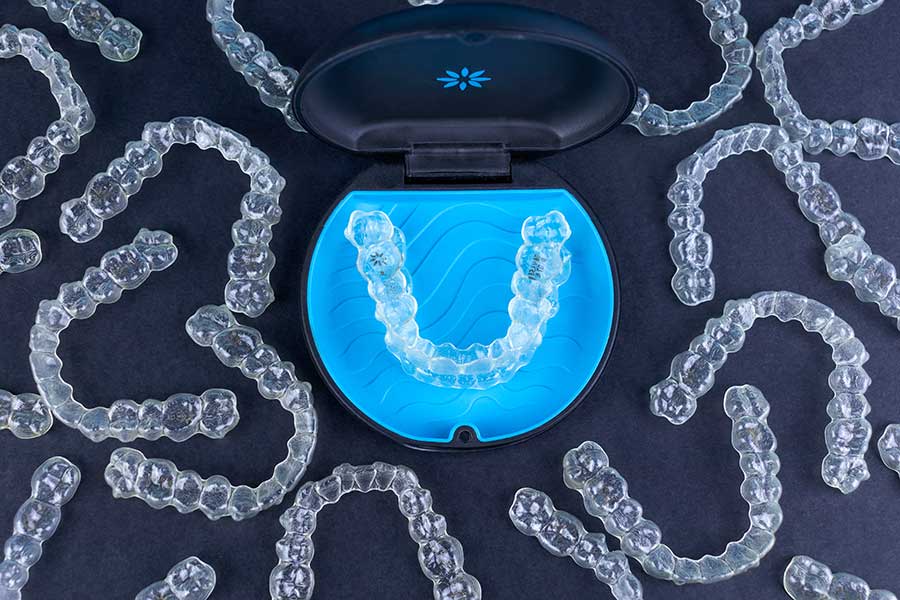
After undergoing orthodontic treatment, wearing retainers is a crucial step in maintaining the results and ensuring that the hard work invested in achieving a straight and healthy smile does not go to waste. Orthodontic treatment, whether involving braces or clear aligners, is designed to correct misaligned teeth and improve oral health, but the work doesn’t stop once the braces come off or the aligners are removed. Retainers play a vital role in this final phase of treatment. There are several key reasons why wearing retainers is essential after orthodontic treatment.
Firstly, the primary reason to wear retainers is to prevent the teeth from shifting back to their original positions. After the removal of braces or aligners, the teeth and surrounding bone structure are still in a state of flux. The bone that supports the teeth needs time to fully adjust to its new configuration, a process that can take months or even years. Retainers help to stabilize the teeth in their new positions, providing the necessary support as the bone hardens around them. Without retainers, the teeth may gradually drift back to their pre-treatment positions, negating the benefits of orthodontic work.
Secondly, retainers help to maintain the alignment achieved through orthodontic treatment. Even after the teeth have been straightened, minor movements can occur over time due to natural changes in the mouth, such as the eruption of wisdom teeth or changes in bite dynamics. Wearing retainers as prescribed helps to ensure that these movements do not undo the progress made during treatment. Regular use of retainers helps in preserving the alignment and ensures that the teeth remain as straight as possible, which contributes to long-term oral health and aesthetics.
Additionally, retainers can contribute to overall oral health. Proper alignment of the teeth improves oral hygiene by making it easier to brush and floss effectively. Misaligned teeth can create areas that are difficult to clean, leading to plaque buildup and increased risk of cavities and gum disease. By keeping the teeth properly aligned, retainers help to prevent these issues and support a healthy mouth. Furthermore, a well-aligned bite can reduce the risk of other dental problems such as jaw pain, uneven wear on teeth, and issues with chewing and speaking.
Wearing retainers also fosters a sense of commitment to the orthodontic process. The effort and time spent in treatment are significant investments, both financially and emotionally. By adhering to the retainer regimen, individuals show that they value the results achieved and are committed to preserving them. This commitment helps to reinforce the positive changes made during treatment and ensures that the benefits of a beautiful, functional smile are maintained for years to come.
Lastly, compliance with retainer wear can prevent the need for future corrective treatments. If teeth shift back to their original positions, additional orthodontic work may be necessary to correct them. This not only involves additional time and cost but can also be emotionally taxing. Regular retainer use minimizes the likelihood of needing such interventions, providing peace of mind and avoiding the inconvenience of repeated treatments.
In conclusion, wearing retainers after orthodontic treatment is essential for maintaining the alignment and health of the teeth. They preveprocess and support oral health, demonstrate commitment to the treatment process, and reduce the risk of future corrective measures. By incorporating retainer wear into daily routines, individuals can enjoy the lasting benefits of their orthodontic investment and ensure that their smiles remain as straight and healthy as possible.