
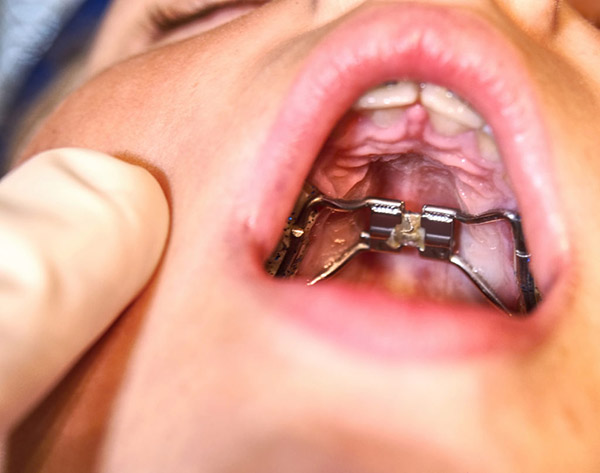
One of the primary ways MARPE changes the airway is by increasing the width of the maxilla, or upper jaw. Many patients with a narrow maxilla also have a constricted nasal cavity because the floor of the nose is formed by the roof of the mouth. When MARPE expands the palate, it also widens the nasal cavity. This increase in nasal cavity volume reduces resistance to airflow, allowing patients to breathe more efficiently through the nose. Improved nasal breathing is associated with better oxygen exchange, enhanced sleep quality, and reduced mouth breathing, which is often linked to orthodontic problems and poor oral health.
Research using cone-beam computed tomography (CBCT) has demonstrated that MARPE can produce measurable increases in the volume of both the nasal cavity and the upper airway. Studies have reported improvements in the nasal passage, nasopharynx, and oropharynx following successful expansion. Although the amount of airway enlargement varies among individuals, these structural changes suggest that MARPE can positively influence respiratory function, particularly in patients with maxillary constriction. Patients frequently report subjective improvements in breathing after treatment, supporting the anatomical findings observed on imaging studies.
MARPE may also play a role in managing sleep-disordered breathing. Individuals with narrow upper jaws are more likely to experience airway obstruction during sleep, which can contribute to conditions such as obstructive sleep apnea (OSA). By widening the maxilla and increasing nasal airway dimensions, MARPE may reduce airway resistance and improve nighttime breathing. While MARPE is not considered a standalone treatment for OSA, it may serve as a valuable component of a multidisciplinary treatment approach involving orthodontists, sleep physicians, and ear, nose, and throat specialists. Additional research is still needed to determine the long-term effects of MARPE on sleep-related breathing disorders.
Beyond airway improvements, MARPE offers orthodontic advantages that indirectly support healthy breathing. Skeletal expansion creates additional space for proper tooth alignment, reduces dental crowding, and may decrease the need for tooth extractions in some patients. Improved tongue posture within a wider palate may also contribute to greater airway stability, as the tongue is less likely to occupy space that narrows the oropharyngeal airway.
In conclusion, MARPE represents a significant advancement in orthodontics by combining effective skeletal expansion with meaningful improvements in airway anatomy. By widening the maxilla and nasal cavity, MARPE can reduce nasal resistance, promote nasal breathing, and increase upper airway volume. Although individual outcomes vary and additional long-term studies are needed, current evidence suggests that MARPE offers benefits extending beyond tooth movement, making it an important treatment option for appropriately selected patients with maxillary constriction and compromised airway function.