
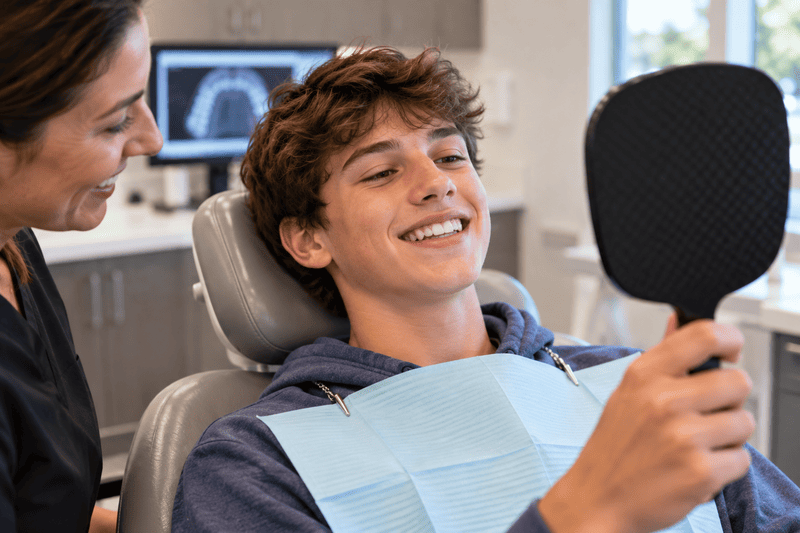
Miniscrew-assisted rapid palatal expansion (MARPE) is an orthodontic treatment used to correct a narrow upper jaw by expanding the maxilla. While much of the focus of MARPE treatment is placed on physical and dental changes, the emotional experience of the patient is also an important consideration. Undergoing MARPE can affect a person’s confidence, mood, social interactions, and overall attitude toward orthodontic treatment. These emotional effects can vary depending on the individual’s expectations, personality, treatment experience, and response to the appliance.
Before beginning MARPE treatment, a patient may experience anxiety, nervousness, or fear. The idea of having an orthodontic appliance supported by small screws in the palate can be intimidating, particularly for someone who has never undergone a similar procedure. Patients may worry about pain, discomfort, changes to their appearance, or how they will adjust to the appliance. Clear communication from the orthodontist about what to expect can help reduce uncertainty and allow the patient to feel more prepared.
During the initial stages of treatment, patients may experience frustration and discomfort as they adjust to the appliance. MARPE can temporarily affect speech, eating, swallowing, and oral hygiene. Patients may need to modify their eating habits and spend additional time cleaning around the appliance. These changes can be frustrating, especially when they interfere with normal routines. Physical discomfort during the early stages may also contribute to temporary changes in mood or irritability.
Another possible emotional response is self-consciousness. Although MARPE is primarily located inside the mouth, patients may become more aware of their appearance when smiling, talking, or eating. They may worry that friends, classmates, coworkers, or other people will notice the appliance. This can sometimes cause patients to feel embarrassed or less confident in social situations. However, many patients gradually become accustomed to the appliance and become less concerned about how it appears to others.
As treatment progresses, patients may begin to experience more positive emotional changes. Seeing improvements in their bite, dental alignment, facial appearance, or other treatment goals can increase motivation and confidence. Successfully adapting to the appliance can also give patients a sense of accomplishment. For some individuals, knowing that they are actively working toward improved oral health and function can create a more positive attitude toward their orthodontic treatment.
The completion of MARPE treatment may provide an additional boost in self-esteem and satisfaction. Patients may feel proud of their progress and more confident about their smile. If MARPE is combined with other orthodontic treatment, such as braces or clear aligners, the overall improvement in dental alignment may further contribute to satisfaction with their appearance. However, emotional responses differ among individuals, and not every patient will experience the same level of change.
Support from family, friends, and the orthodontic team can play an important role throughout treatment. Encouragement, realistic expectations, and good communication can help patients manage anxiety and frustration while adapting to the appliance.
In conclusion, undergoing MARPE as part of orthodontic treatment can involve a variety of emotional experiences. Patients may initially feel anxious, uncomfortable, frustrated, or self-conscious, but these feelings may decrease as they adapt to treatment. Over time, successful progress can contribute to increased confidence, motivation, and satisfaction. Recognizing the emotional aspects of MARPE allows orthodontic care to address not only the physical changes but also the patient’s overall experience during treatment.