
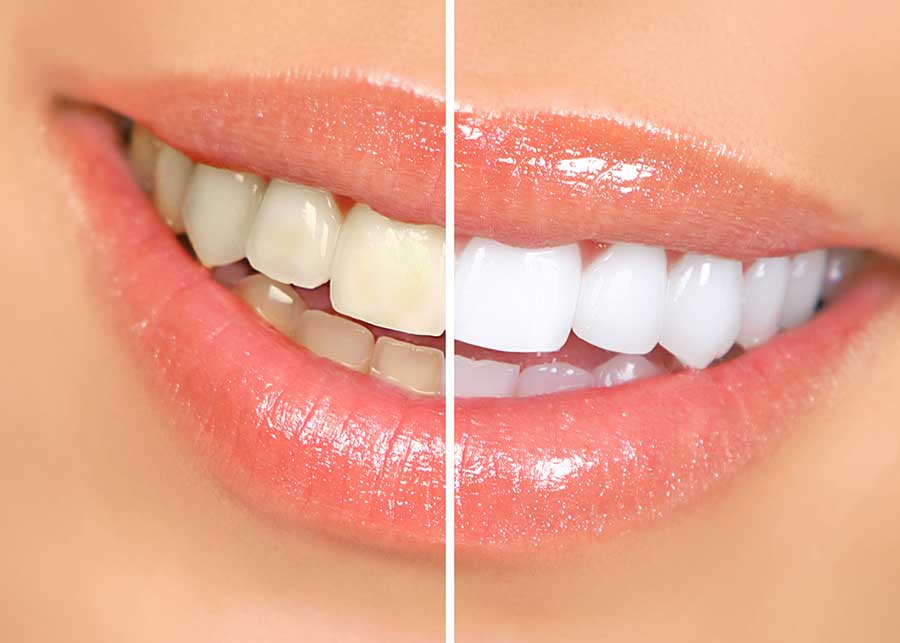
Teeth whitening is a popular cosmetic procedure aimed at enhancing the appearance of teeth by making them several shades lighter. It’s a procedure that many people consider to achieve a brighter, more attractive smile. However, like any cosmetic treatment, teeth whitening comes with its set of advantages and disadvantages. Understanding these can help individuals make an informed decision about whether or not to pursue this treatment.
Pros of Teeth Whitening
- Enhanced Appearance: The most obvious advantage of teeth whitening is the significant improvement in the appearance of one’s teeth. Whiter teeth contribute to a brighter smile, which can enhance overall facial aesthetics. This can be particularly beneficial for individuals whose teeth have become stained or discolored due to age, smoking, or consumption of certain foods and beverages like coffee, tea, and red wine.
- Boost in Confidence: A whiter smile can lead to an increase in self-confidence and self-esteem. People who are self-conscious about their discolored teeth might find themselves smiling more openly and engaging more comfortably in social and professional interactions after undergoing teeth whitening.
- Non-Invasive Procedure: Teeth whitening is a non-invasive cosmetic treatment, meaning it doesn’t involve surgery or significant alterations to the tooth structure. Most whitening procedures are straightforward, whether done at home using over-the-counter products or professionally in a dentist’s office.
- Quick Results: One of the significant benefits of teeth whitening is the speed with which results can be achieved. Professional whitening treatments can yield noticeable results in just one session, making it an attractive option for those looking for quick improvements to their smile.
- Customizable Options: There are various teeth whitening options available, ranging from inoffice treatments, at-home kits, and over-the-counter products. This allows individuals to choose a method that best suits their needs, budget, and schedule.
Cons of Teeth Whitening
- Tooth Sensitivity: One of the most common side effects of teeth whitening is increased tooth sensitivity. The bleaching agents used in whitening products can penetrate the enamel, causing temporary irritation of the tooth nerves. This can result in discomfort or pain when consuming hot or cold foods and drinks.
- Gum Irritation: Whitening agents can also irritate the gums, especially if they come into direct contact with the soft tissues. This can lead to redness, swelling, and discomfort in the gum area. Ensuring that the bleaching agent is applied properly can help minimize this risk.
- Temporary Results: The effects of teeth whitening are not permanent. Over time, the teeth can become discolored again due to the same factors that caused the initial staining, such as diet, smoking, or age. This means that repeated treatments may be necessary to maintain the desired level of whiteness.
- Variable Effectiveness: Teeth whitening is not equally effective for everyone. The success of the treatment depends on the type and severity of the stains. For instance, yellowish stains tend to respond better to whitening treatments than grayish or brownish discolorations. Additionally, whitening may not be effective on dental restorations like crowns, veneers, or fillings.
- Cost: Professional teeth whitening treatments can be expensive, especially when compared to over-the-counter options. While in-office treatments offer the most dramatic results, they also come with a higher price tag, which may not be affordable for everyone.
- Potential Overuse: The desire for whiter teeth can lead some individuals to overuse whitening products, which can damage the tooth enamel and increase the risk of long-term sensitivity or other dental issues. It is essential to follow the recommended guidelines and not to overdo the whitening treatments.
Conclusion
Teeth whitening offers a relatively simple and effective way to improve the appearance of your smile, boosting confidence and enhancing overall aesthetics. However, it is not without its drawbacks, including the risk of sensitivity, gum irritation, and the temporary nature of the results. Additionally, the effectiveness of the treatment can vary from person to person, and the cost can be a barrier for some. Individuals considering teeth whitening should weigh these pros and cons carefully and consult with a dental professional to determine the best approach for their specific needs. Ultimately, when done correctly and in moderation, teeth whitening can be a safe and satisfying way to achieve a brighter smile.