
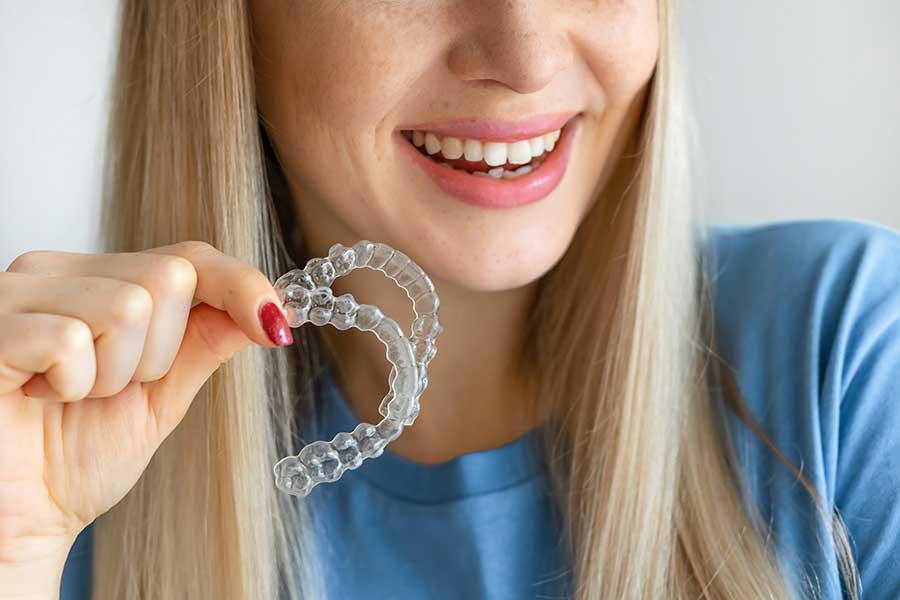
Lightforce braces and Invisalign are two popular orthodontic treatment options that have gained attention for their innovative approaches to straightening teeth. While they are different in many ways, these two methods share several commonalities that make them appealing choices for individuals seeking orthodontic care. Both Lightforce braces and Invisalign are designed to improve dental alignment, enhance smile aesthetics, and contribute to better oral health. Despite their differences in mechanics and appearance, there are key similarities between them that make them effective and popular treatment options.
Goal of Treatment
The primary commonality between Lightforce braces and Invisalign is their goal: both are designed to straighten teeth and correct various orthodontic issues, such as misaligned teeth, overbites, underbites, gaps, and crowding. Whether using fixed brackets or removable aligners, the objective remains the same achieving a more functional and aesthetically pleasing smile by gradually shifting the teeth into their correct positions. Both treatment methods are highly effective at addressing these issues, and both aim to improve the patient’s overall oral health by ensuring better bite alignment and reducing the risk of problems like tooth wear and gum disease.
Customization and Precision
Another key similarity between Lightforce braces and Invisalign is the level of customization and precision involved in each treatment plan. Both options use advanced digital technology to map out a patient’s dental structure and create a customized treatment plan.
Lightforce braces use 3D scanning and digital modeling to design custom ceramic brackets that fit each patient’s teeth perfectly. The precision of these custom-made brackets allows orthodontists to control tooth movement with greater accuracy, leading to more effective results in less time. This custom approach minimizes the need for frequent adjustments and ensures that the braces apply consistent, gentle pressure to each tooth.
Similarly, Invisalign uses digital impressions and advanced computer software to create a series of custom-made aligners that are tailored to the unique shape and alignment of the patient’s teeth. These aligners are designed to gradually shift the teeth into their ideal positions. Both treatment options, therefore, take a highly individualized approach to care, ensuring that the treatment is as efficient and effective as possible.
Aesthetic Appeal
Both Lightforce braces and Invisalign offer advantages when it comes to aesthetics, although they achieve this in different ways. Lightforce braces are made from ceramic material that can be customized to match the color of the patient’s teeth, making them much less noticeable than traditional metal braces. These brackets are smaller and more discreet than traditional metal options, allowing patients to undergo treatment without feeling self-conscious.
Invisalign, on the other hand, offers a more discrete approach altogether. Since Invisalign aligners are made from clear plastic, they are virtually invisible when worn. This makes Invisalign a particularly attractive option for individuals who prioritize aesthetics and do not want the visibility of traditional or even ceramic braces.
Effectiveness and Treatment Range
Both Lightforce braces and Invisalign are effective in treating a wide range of orthodontic problems, from mild to moderate alignment issues. While each method has its strengths, both can address common issues like crooked teeth, gaps, and bite misalignments. However, the effectiveness of each treatment can vary based on the severity of the problem. For complex cases, Lightforce braces may be more appropriate, but for most individuals with mild to moderate issues, both treatments can achieve desirable outcomes.
Comfort and Patient Experience
Both Lightforce braces and Invisalign prioritize patient comfort. Lightforce braces, being custom designed, are generally smaller and more comfortable than traditional metal braces. The ceramic material used in Lightforce braces also reduces the likelihood of irritation and discomfort typically associated with fixed metal brackets.
Invisalign aligners are removable, which not only enhances comfort but also offers greater convenience. Patients can take the aligners out while eating, drinking, or cleaning their teeth, making it easier to maintain oral hygiene compared to traditional braces. While the initial adjustment to both Lightforce braces and Invisalign can cause some discomfort as the teeth begin to shift, patients generally report less pain and fewer complications during the treatment process.
Improved Oral Health
Both treatments contribute to long-term oral health. Straightening teeth with Lightforce braces or Invisalign improves bite alignment, which can help prevent issues like tooth wear, jaw pain, and difficulty chewing. Properly aligned teeth are also easier to clean, reducing the risk of cavities and gum disease. With both options, patients can achieve better oral hygiene and maintain healthier teeth and gums, which can lead to a more sustainable oral care routine.
Conclusion
In conclusion, Lightforce braces and Invisalign share several key similarities, despite their differences in design and treatment methods. Both aim to improve dental alignment, enhance oral health, and create a more attractive smile. They both use advanced digital technology to create custom treatment plans tailored to the individual needs of each patient. Additionally, both options provide aesthetic advantages over traditional braces and contribute to a more comfortable and effective orthodontic experience. Whether patients choose Lightforce braces or Invisalign, they can expect to receive effective, individualized care that helps them achieve their desired results.