
Sleep apnea is a serious sleep disorder where a person’s breathing is repeatedly interrupted during sleep. The most common type, obstructive sleep apnea (OSA), occurs when the airway becomes blocked, often by soft tissue in the back of the throat or due to poor jaw alignment. While continuous positive airway pressure (CPAP) machines are commonly used to treat OSA, orthodontic appliances have emerged as an effective alternative or complementary treatment, especially in mild to moderate cases. These appliances work by repositioning the jaw or tongue to keep the airway open, improving airflow and overall sleep quality.
One of the most widely used orthodontic appliances for sleep apnea is the Mandibular Advancement Device (MAD). This appliance resembles a mouthguard and is worn during sleep. It works by gently moving the lower jaw (mandible) forward, which helps to keep the airway open by preventing the collapse of soft tissues at the back of the throat. By keeping the tongue and soft palate from falling backward, MADs can significantly reduce the number of apneas or breathing interruptions during sleep. These devices are custom-made by orthodontists to ensure a proper fit and maximum comfort.
Another effective option is the Tongue Retaining Device (TRD). This appliance holds the tongue in a forward position using suction. Like MADs, TRDs help prevent the tongue from collapsing back into the throat, which is a common cause of airway obstruction. TRDs are especially useful for individuals who cannot use MADs due to jaw joint issues or specific dental conditions.
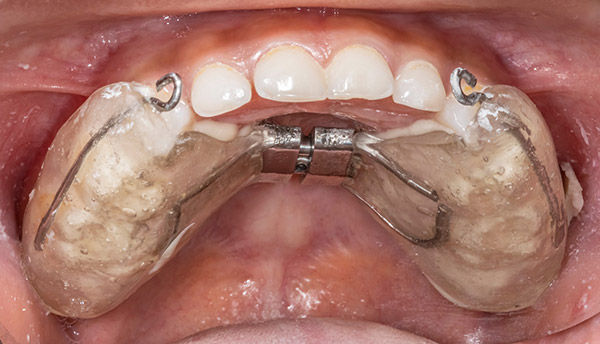
In children and adolescents, palatal expanders can be used to treat sleep apnea caused by a narrow upper jaw or crowded nasal passages. A palatal expander is a device that gradually widens the upper jaw over time. By expanding the palate, this appliance not only improves the alignment of teeth but also increases the size of the nasal airway, making it easier to breathe through the nose during sleep. This kind of early intervention is important because it can prevent the development of more severe forms of sleep apnea later in life.
For more severe cases or when jaw misalignment is the primary issue, orthopedic functional appliances or orthognathic surgery may be recommended. Functional appliances like the Herbst appliance or Twin Block are used during growth phases to reposition the lower jaw forward, which helps open the airway. In adults, corrective jaw surgery might be necessary to permanently reposition the upper and lower jaws to enlarge the airway space.
Orthodontic appliances offer a less invasive and often more comfortable alternative to CPAP machines, especially for individuals who struggle with using them nightly. These appliances are quiet, portable, and custom-fitted, making them a popular choice for those with mild to moderate sleep apnea or who prefer non-surgical treatment options.
In conclusion, orthodontic appliances provide effective, non-invasive solutions for managing and improving obstructive sleep apnea. By repositioning the jaw or tongue and expanding the airway, these tools can lead to better breathing, improved sleep quality, and a healthier life overall. For those suffering from sleep apnea, consulting an orthodontist can open the door to long-lasting relief.